
For clinicians done splitting head from heart
CLINICAL MENTORSHIP
You were trained to toggle.
The best care refuses to.
Somewhere in your training, the work got split in two. Be the sharp clinician, run the exam, reason through the case. Then, separately, remember to be warm, to connect, to care. As if your clinical mind and your human heart were two different tools you pick up and put down. The deeper split runs older than that: Eastern traditions that read the body as a connected, energetic whole on one side, Western science that prizes the measurable and the mechanical on the other. Two maps. One body. And you, taught to trust only half of it.
The relationship is clinical data. The reasoning is an act of care. When you stop toggling and start treating East and West, heart and science, the tangible and the field, as one integrated process, the case opens up in ways no protocol predicted.
The Way of the Willing H.E.A.R.T. is an 8-week cohort built to close the gap course catalogs pretend doesn't exist: the seam between how you think and how you connect. Grounded in the Compassionate H.E.A.R.T. Model, it brings the relational and energetic depth of Eastern frameworks into honest conversation with rigorous Western clinical reasoning. It takes the tangible seriously, what your hands can touch and your tests can measure. And it takes the living space between you and the patient just as seriously: the co-regulation between two nervous systems, the therapeutic alliance that moves outcomes as reliably as any technique, the safety that lets a guarded body finally let go. Science has been circling this for years under quieter names. We just stop pretending it isn't clinical.
THE DETAILS
Each week contains a video lecture and reflection followed by a live group session working real cases together. You’ll watch videos on your own time, so our live sessions are spent on application.
8 WEEKS
Mentorship groups are kept small on purpose, so every case gets depth and the group becomes a community instead of an audience.
Small cohort
Sessions are live online so you can join from anywhere, with an in-person tier for those who want it. Every session is recorded, so a missed week never sets you back.
VIRTUAL
Every week builds toward your capstone: your own philosophy of care, in your words. I’m not teaching you how to become me. I’m showing you how to become more of you.
capstone
H.E.A.R.T. to Heart
Start now, on your own time. A self-paced course on the H.E.A.R.T. Model and how to practice compassionate connection on purpose. Includes the course, workbook, and reflection tool. Your payment credits toward Foundation if you join a cohort.
$195
COMING SOON
FOUNDATION
$1,195
The full 8-week cohort. Video lectures and reflection on your schedule, weekly live group case sessions, a small cohort, and the practice-philosophy capstone. All recorded.
GUIDED
$1,995
Everything in Foundation, plus four biweekly 1:1s with me. Yours to use however helps most: a tough case, a hard conversation, or a recorded patient session we review together.
IN THE ROOM
By Application
Everything in Guided, plus time with me physically in your clinic, mentoring live patient sessions.
DUSTIN WILLIS
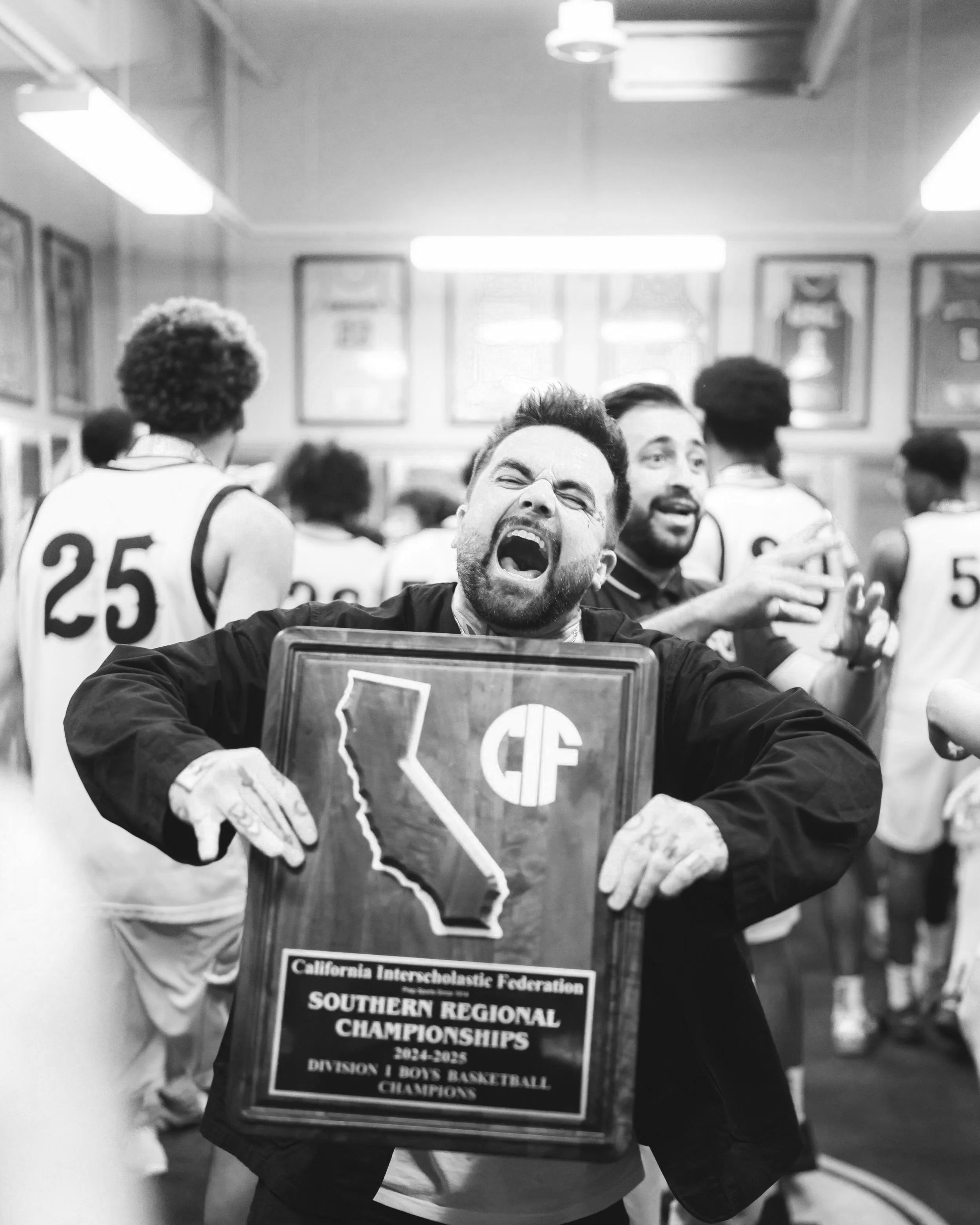
I'm Dr. Dustin Willis, a physical therapist whose lived experience as the dad of a disabled, medically complex little wonder, my son Dorian, forced me to confront why healthcare feels so fractured from both sides: patient and practitioner.
Most of my training is what you'd expect from someone a little obsessed with trying to get it right. After my doctorate in physical therapy, I completed an APTA-accredited orthopaedic residency and three post-doctoral fellowships in sports rehabilitation, lower-extremity biomechanics, and movement performance. I earned board certification as an Orthopaedic Clinical Specialist and became a Fellow of the American Academy of Orthopaedic Manual Physical Therapists. That's the measurable, mechanical half I thought was the whole picture for a long time.
But the question that wouldn't leave me alone lived on the other half. How much does compassionate connection actually matter, and why are so many people who likely chose their profession because they care, so bad at it? So I went and got a PhD to find out. My doctoral research at Loma Linda University became the Compassionate H.E.A.R.T. Model, a structure for teaching compassion, and a validated tool for measuring it. Turns out the connection between a clinician and a patient is where the true magic of healing lives.
These days I teach the next generation of clinicians as a university professor, run a concierge practice for professional athletes, and mentor practitioners who want the same thing I went looking for: a way to practice that's both rigorous and whole. That search is exactly what this mentorship is built to hand you.
-
PhD, Rehabilitation Science, Loma Linda University (2025)
Doctor of Physical Therapy, Loma Linda University (2014)
BS, Exercise Science and Sports Medicine, California Lutheran University (2011)
-
Orthopaedic Residency, Rancho Physical Therapy (2015)
Fellowship, Orthopaedic Manual Therapy and Sports Rehabilitation, Kaiser Los Angeles (2016 to 2017)
Fellowship, Lower Extremity Biomechanics, Movement Performance Institute (2016 to 2017)
Fellowship, Movement Performance, Azusa Pacific University (2017 to 2018)
Fellow, American Academy of Orthopaedic Manual Physical Therapists (FAAOMPT)
Board-Certified Orthopaedic Clinical Specialist (OCS)
Therapeutic Pain Specialist (TPS)
EXOS Performance Specialist (XPS)
Emergency Medical Responder (EMR)
-
Director of Student Success and Associate Professor, Doctor of Physical Therapy Program, Southern California University of Health Sciences
-
Developer, the Compassionate H.E.A.R.T. Model
Developer and validator, the CHPQ, a validated tool for measuring compassionate care
Peer-reviewed publication, Journal of Patient-Centered Research and Reviews (2026)
Peer-reviewed publication, Journal of Humanities in Rehabilitation (2023)
-
Founder, Will is the Way Physical Therapy and Performance
Director of Performance Physical Therapy, Move Lab
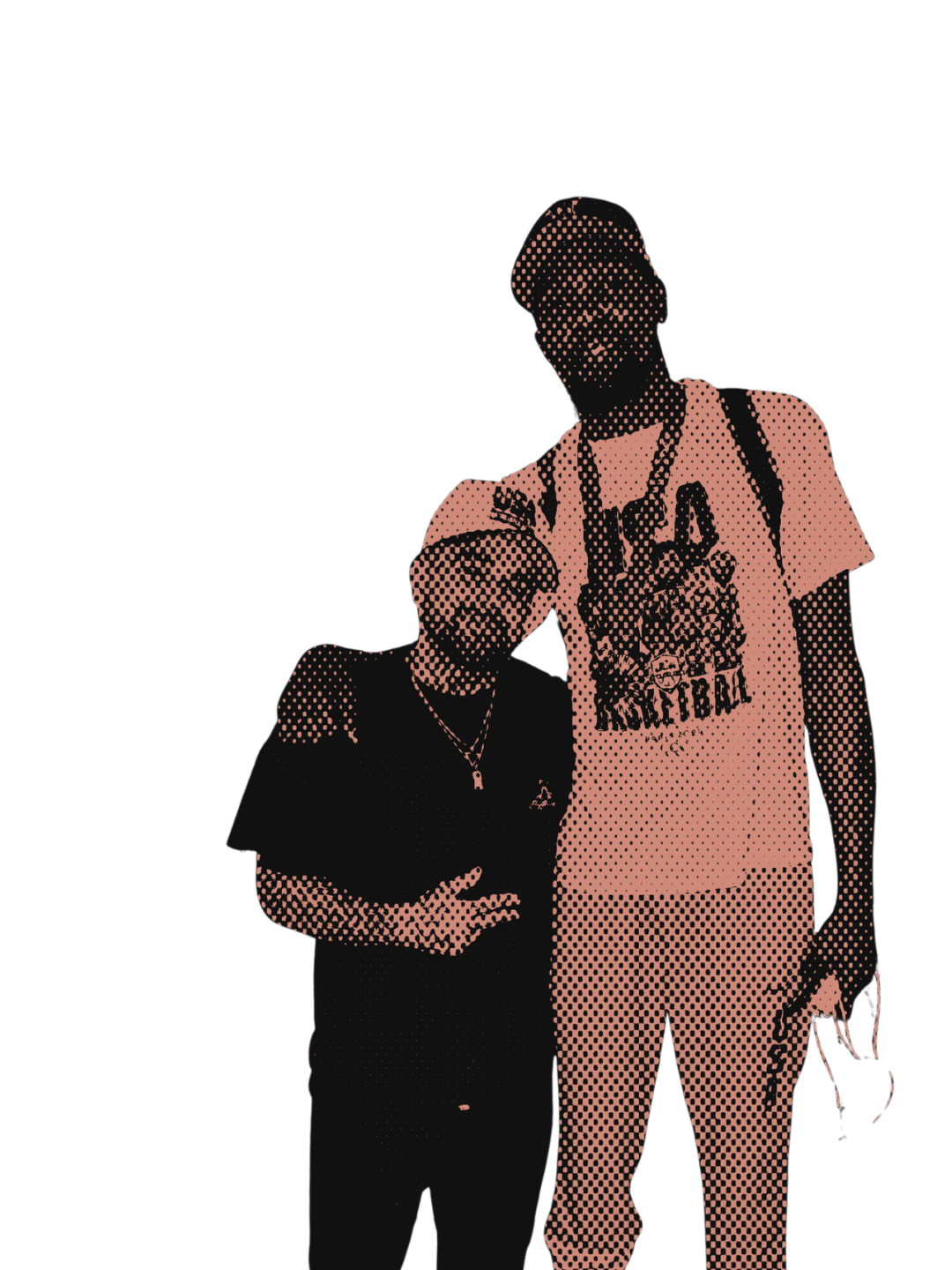
Physical therapist to Kevin Durant, 2024 Paris Olympic Games
Physical Therapist Consultant, Los Angeles Lakers (2024 to 2025)
RESEARCH
The Compassionate HEART Patient Questionnaire: Validation and Reliability of a Novel Measure of Relationship-Centered Care
The Compassionate HEART of Relationship-Centered Care
Getting To The Heart of the Patient-Provider Interaction: A Novel Theoretical Framework
Imposter phenomenon in physical therapists: A cross-sectional observational study
PHYSICAL THERAPY MENTORSHIP BUILT AROUND COMPASSIONATE CARE
Become the clinician your patients remember: more skilled, but also more present and more sure of why you do this.
Practice reasoning and connection as one craft, where the relationship is clinical data and the reasoning is an act of care.
Care deeply without burning out, with compassion that sustains you instead of draining you.
Move real outcomes by learning to build therapeutic alliance on purpose.
Leave with your own practice philosophy, a through-line that guides your care for good.
Join a circle of peers who keep pushing you long after week eight.
Learn it from the source: the developer of the Compassionate H.E.A.R.T. Model.
GET STARTED →